Pollution & Runoff
What is Pollution & Runoff?
Pollution and runoff are land-based problems that flow into the ocean — often without us even noticing.
Whenever it rains, water runs off streets, farms, factories, and cities — carrying trash, chemicals, fertilizers, sewage, and plastics into rivers and eventually the ocean.
This pollution ends up right where coral reefs live — along coastlines and shallow waters.
How Pollution affect Reefs?
Nutrient Pollution → Algae Overgrowth
Fertilizers used on farms or lawns contain nitrogen and phosphorus.
These nutrients cause harmful algae blooms in the ocean.
Algae grow too fast → Block sunlight → Smother corals.
Without sunlight, corals can’t photosynthesize and get energy.

Sediment Runoff → Coral Suffocation
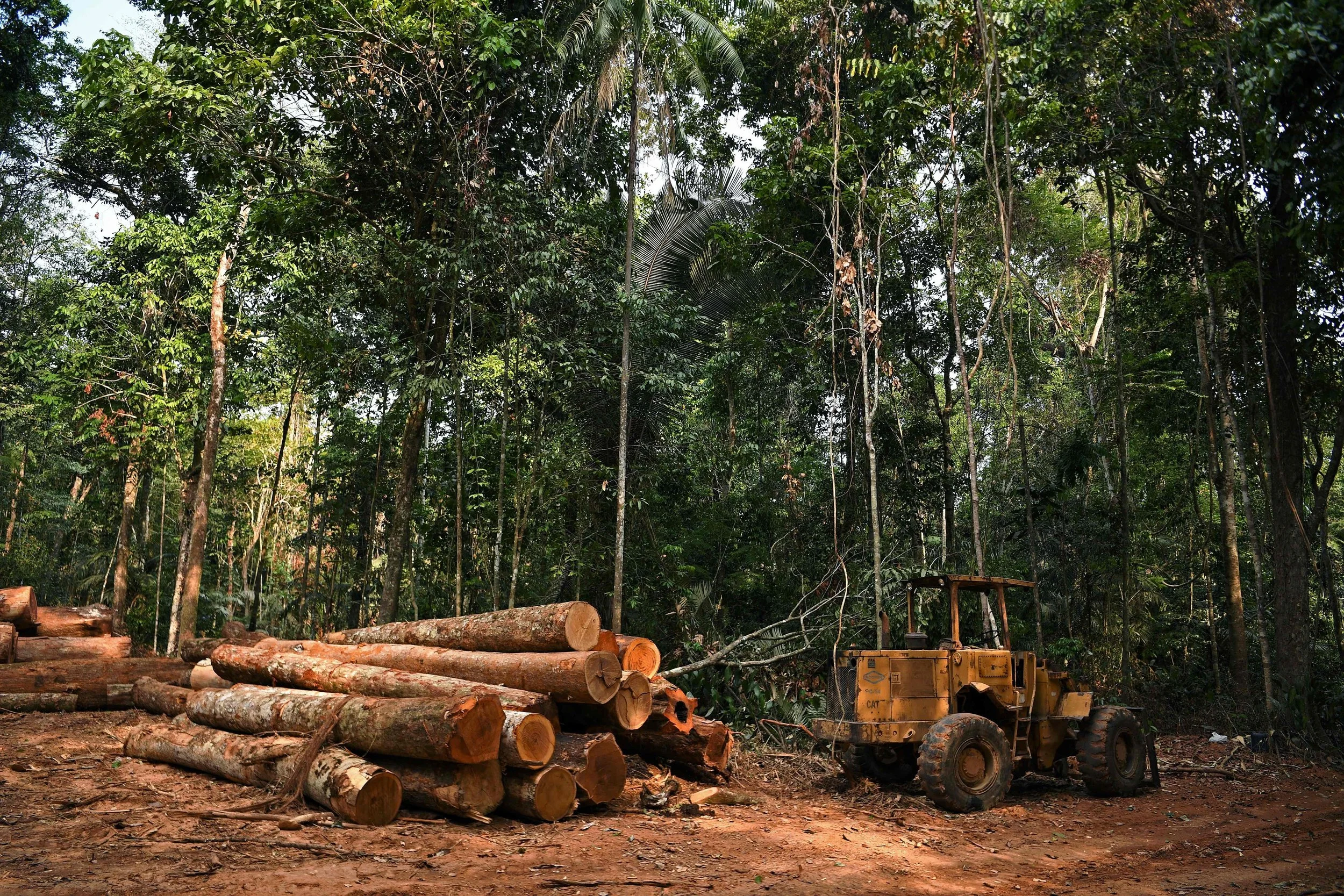
Construction, deforestation, or farming causes loose soil to wash into the ocean.
Sediments cloud the water and choke corals by covering them in mud.
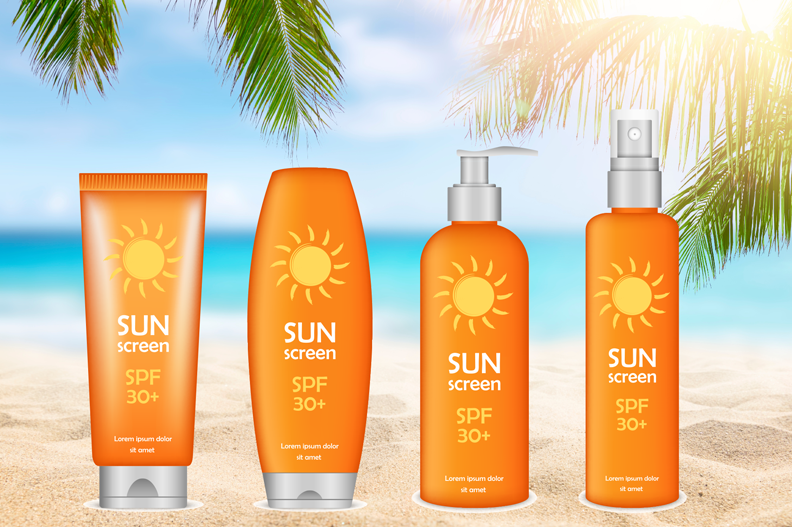
Sunscreen causes coral bleaching!

Plastic Pollution → Physical Damage
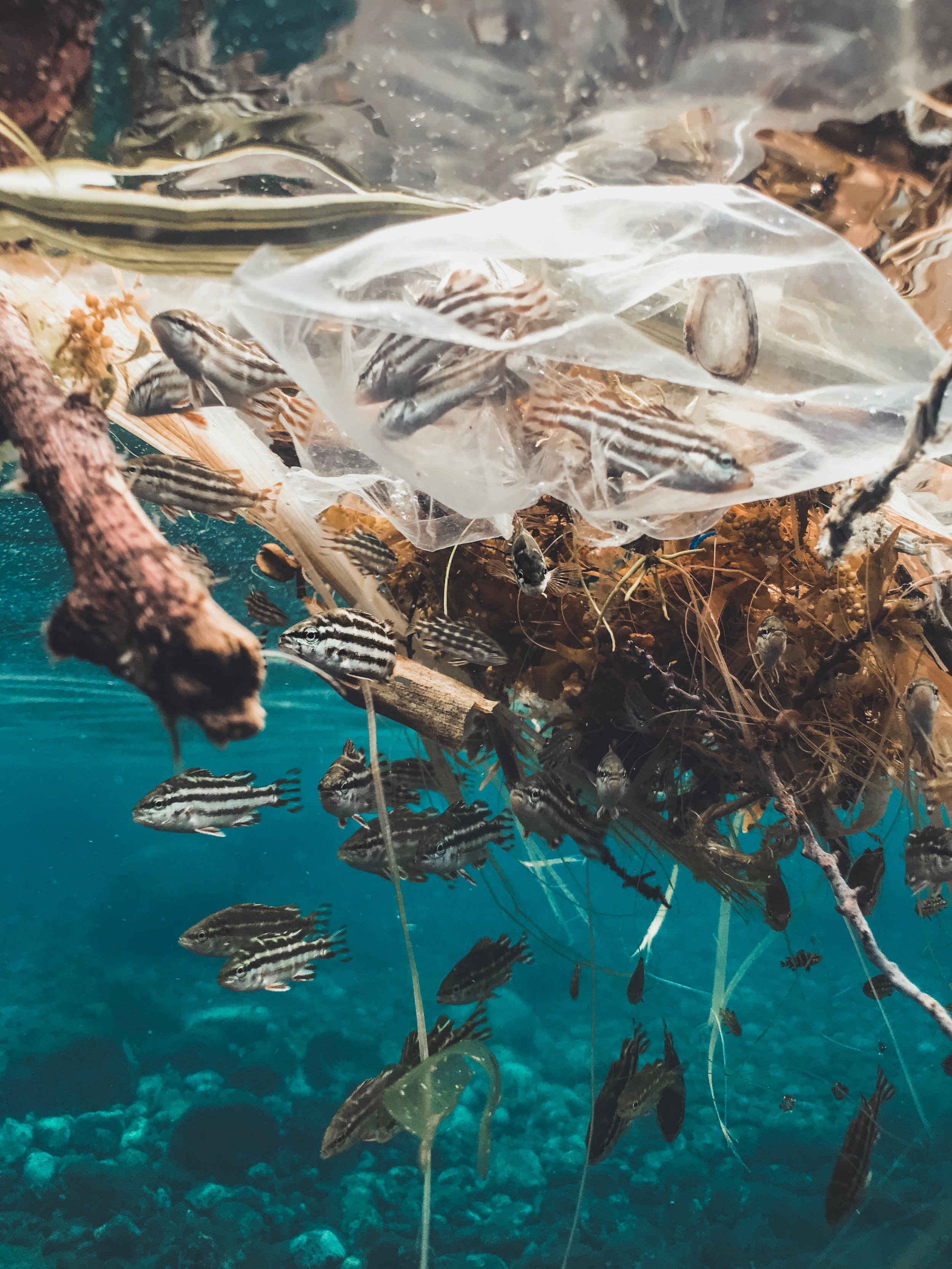
Floating plastics (bags, bottles, fishing nets) get stuck on reefs.
Plastics break coral branches, cut into tissue, and block growth.
Microplastics can even be ingested by marine life.